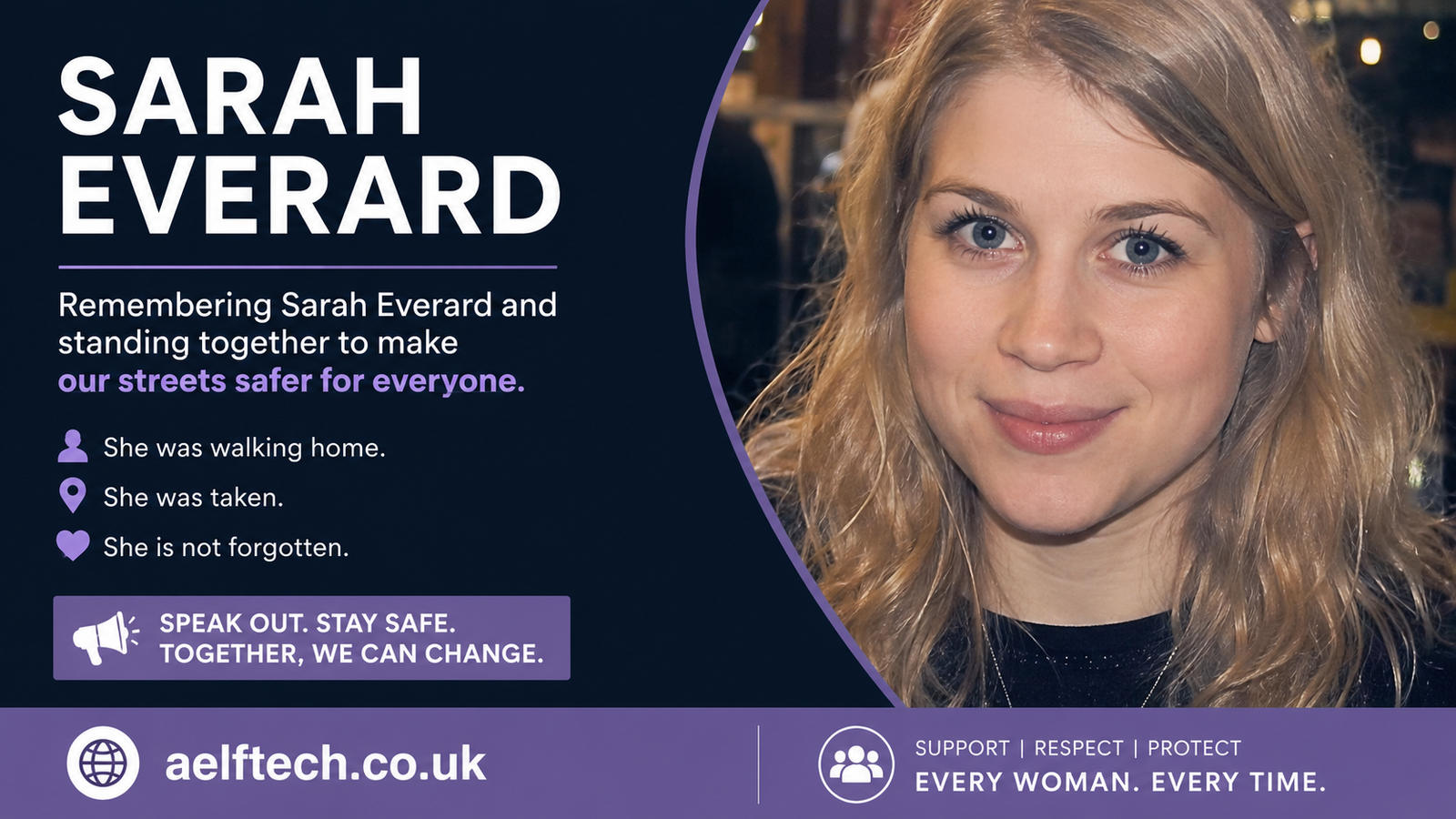
Sarah Everard Case Timeline: Key Facts, Investigation, Murder, and Legacy Explained
The Sarah Everard case remains one of the most widely discussed criminal cases in recent British history. What began as a missing person investigation quickly became a national tragedy that sparked conversations about women’s safety, public trust in policing, and institutional accountability. Years after the events unfolded, the case continues to influence public policy and social debate.
Many people still search for information about Sarah Everard, the timeline of events, the investigation, and the long-term impact of the case. Understanding what happened is important not only because of the crime itself but also because of the broader questions it raised about safety, justice, and public confidence in law enforcement. This guide explores the key facts, investigation, court proceedings, and lasting legacy of the Sarah Everard case.
Who Was Sarah Everard?
Early Life and Background
Sarah Everard was a marketing executive who lived and worked in London. She was known by friends, family, and colleagues as a dedicated professional with a bright future ahead of her. Before the tragic events that brought international attention to her name, she lived a relatively private life focused on her career, relationships, and everyday activities.
Her story resonated deeply with the public because she represented an ordinary person carrying out a routine activity. Many people saw aspects of their own lives reflected in her experience, which contributed to the widespread emotional response that followed.
Why Her Story Resonated Worldwide
The Sarah Everard case attracted significant attention because it touched on concerns shared by millions of women. The circumstances surrounding her disappearance led to widespread discussions about personal safety, particularly when traveling alone at night.
Media coverage expanded beyond the United Kingdom as people around the world followed developments in the investigation. The case became a symbol of broader conversations about safety, vulnerability, and the responsibilities of public institutions.
Sarah Everard Timeline: Key Events Explained
The Evening Sarah Everard Disappeared
Sarah Everard disappeared while walking home in South London. Her journey should have been an ordinary trip, but concerns quickly emerged when she failed to arrive safely at her destination. Authorities began investigating her disappearance after reports were made regarding her whereabouts.
Investigators worked to establish her movements and identify the last known locations where she had been seen. CCTV footage and witness accounts became crucial tools in building an accurate timeline of events.
Missing Person Investigation Begins
As news of her disappearance spread, law enforcement agencies launched extensive search efforts. Family members, friends, and members of the public shared information in the hope of finding answers.
The investigation gained momentum as officers reviewed surveillance footage, gathered evidence, and appealed for assistance from the public. Media attention increased rapidly, helping keep the case in the public eye during critical stages of the search.
Search Operations and Major Developments
Investigators examined numerous leads while search teams worked across multiple locations. Every new piece of information was carefully analyzed to determine whether it could assist the investigation.
The case reached a turning point when evidence began linking a suspect to Sarah Everard’s disappearance. This development shifted the focus of the investigation and accelerated efforts to determine exactly what had happened.
Discovery and Identification
Authorities eventually confirmed tragic findings that transformed the missing person investigation into a murder case. The confirmation shocked communities across the country and intensified public interest in the investigation.
The announcement brought immense grief to Sarah Everard’s family and friends. At the same time, it strengthened calls for accountability and a thorough investigation into the circumstances surrounding the crime.
The Investigation Into Sarah Everard’s Murder
How Detectives Identified the Suspect
The investigation relied on a combination of forensic evidence, digital records, surveillance footage, and witness testimony. Detectives carefully pieced together information from multiple sources to reconstruct events and identify potential suspects.
Modern investigative techniques played a major role in helping authorities establish connections between evidence and individuals involved in the case. The coordinated effort demonstrated the importance of technology and forensic science in criminal investigations.
Arrest and Charges
Following the collection of substantial evidence, authorities arrested a suspect in connection with the case. The arrest marked a significant moment in the investigation and provided some reassurance that progress was being made.
Prosecutors later filed serious criminal charges, including kidnapping, rape, and murder. The gravity of the allegations reflected the severity of the crimes under investigation and underscored the importance of the upcoming legal proceedings.
Evidence Presented During the Investigation
Investigators assembled a detailed body of evidence to support the case. This included surveillance footage, forensic findings, digital records, and other material that helped establish a clear timeline of events.
The evidence proved crucial in understanding how the crime occurred and in supporting the prosecution’s arguments. The thorough nature of the investigation became a key factor in securing justice through the legal process.
Court Proceedings and Conviction
Guilty Plea and Legal Process
The legal proceedings attracted extensive public attention due to the seriousness of the crimes and the broader issues raised by the case. Court hearings revealed additional details about the investigation and the circumstances surrounding Sarah Everard’s death.
As the case moved through the justice system, many observers closely followed developments. The proceedings highlighted the importance of transparency and accountability in high-profile criminal cases.
Sentencing of Wayne Couzens
The court ultimately imposed one of the most severe punishments available under British law. The sentence reflected both the seriousness of the offenses and the significant breach of public trust associated with the case.
Judicial remarks emphasized the devastating consequences of the crimes and acknowledged the profound impact on Sarah Everard’s family, friends, and society as a whole. The sentencing represented a major milestone in the pursuit of justice.
Public and Legal Reactions
Reactions to the outcome came from across society. Legal experts, public officials, advocacy groups, and ordinary citizens all commented on the significance of the case and its wider implications.
While the conviction provided a measure of accountability, many people argued that broader reforms were still necessary. The discussion increasingly focused on preventing similar tragedies in the future.
Public Response to the Sarah Everard Case
Vigils and Memorial Events
Following confirmation of Sarah Everard’s death, communities organized vigils and memorial gatherings to honor her memory. These events attracted large numbers of participants who wished to express solidarity and support.
The gatherings became powerful symbols of collective grief. They also provided opportunities for people to share experiences and discuss concerns about personal safety.
Media Coverage and National Discussion
The case received extensive coverage from national and international media organizations. News reports, documentaries, opinion pieces, and public discussions examined various aspects of the investigation and its implications.
This level of attention ensured that the conversation extended beyond the immediate criminal case. It encouraged deeper examination of issues affecting public safety and trust in institutions.
Social Media and Public Awareness
Social media platforms played a major role in spreading information and facilitating discussion. People used these platforms to share updates, express condolences, and advocate for change.
The online response amplified public awareness and helped maintain attention on important issues raised by the case. It also demonstrated how digital communication can influence social movements and public discourse.
Impact on Women’s Safety
Concerns Raised by the Case
One of the most significant outcomes of the Sarah Everard case was the widespread discussion about women’s safety. Many women shared personal experiences and described precautions they routinely take to protect themselves.
These conversations highlighted concerns that had existed for years but often received limited public attention. The case provided a catalyst for broader discussions about safety in public spaces.
Safety Initiatives and Awareness Campaigns
In response to growing concerns, organizations and advocacy groups launched campaigns aimed at promoting awareness and improving safety measures. These efforts focused on education, prevention, and community engagement.
Public institutions also examined ways to address concerns raised by the case. The goal was to identify practical steps that could contribute to safer environments and greater public confidence.
Broader Cultural Impact
The case influenced public attitudes and encouraged discussions about societal responsibilities regarding safety. It prompted reflection on how communities, institutions, and policymakers can work together to address ongoing concerns.
Its impact extended beyond immediate policy debates and became part of a larger conversation about equality, security, and social responsibility.
Impact on Policing and Institutional Reform
Questions About Police Vetting and Accountability
Because the perpetrator was a serving police officer, the case raised serious questions about recruitment, vetting procedures, and internal oversight. Public scrutiny focused heavily on how warning signs could be identified and addressed.
These concerns prompted reviews of existing practices and encouraged institutions to examine potential weaknesses in their systems.
Policy Changes and Recommendations
Various recommendations emerged from reviews and investigations conducted after the case. These proposals aimed to strengthen accountability, improve transparency, and enhance public confidence.
Policymakers and law enforcement leaders faced growing pressure to implement meaningful reforms. The discussion emphasized the importance of maintaining public trust through effective oversight.
Restoring Public Trust
Rebuilding confidence in policing became a central challenge following the case. Trust is essential for effective law enforcement, and restoring that trust requires consistent commitment to accountability and professionalism.
Efforts to address concerns continue to shape discussions about policing and institutional responsibility. The long-term impact of these reforms remains an important area of public interest.
The Lasting Legacy of Sarah Everard
Influence on Public Policy
The Sarah Everard case contributed to ongoing debates about public safety, criminal justice, and institutional accountability. Policymakers continue to reference lessons learned from the case when discussing related issues.
Its influence can be seen in discussions about reforms designed to improve public protection and strengthen confidence in public institutions.
Impact on Society
Beyond policy changes, the case left a lasting mark on society. It encouraged people to examine assumptions about safety and prompted important conversations across communities.
Many advocacy groups continue to reference the case when promoting awareness and seeking improvements in safety measures.
Why the Case Remains Relevant Today
Years after the events occurred, public interest remains strong because the issues raised by the case continue to resonate. Discussions about safety, accountability, and institutional reform remain highly relevant.
The Sarah Everard case serves as a reminder of the importance of vigilance, transparency, and justice in addressing serious societal challenges.
Conclusion
The Sarah Everard case is remembered not only because of the tragic loss of a young woman but also because of the profound impact it had on society. The investigation, conviction, and public response transformed the case into a defining moment in discussions about women’s safety and public trust.
Understanding the timeline, investigation, and legacy of the case provides valuable insight into why it continues to be discussed today. As conversations about safety, accountability, and reform continue, the lessons associated with Sarah Everard’s story remain significant and relevant.
FAQs
Who was Sarah Everard?
Sarah Everard was a London-based marketing executive whose disappearance and murder in 2021 attracted widespread public and international attention.
Why did the Sarah Everard case become so significant?
The case became significant because it raised important questions about women’s safety, policing, public trust, and institutional accountability.
Who was convicted in the Sarah Everard case?
Wayne Couzens was convicted in connection with the kidnapping, rape, and murder of Sarah Everard.
How did the case affect discussions about women’s safety?
The case sparked widespread conversations about personal safety, particularly for women, and led to increased awareness and advocacy efforts.
What is the lasting legacy of the Sarah Everard case?
Its legacy includes ongoing discussions about safety, policing reforms, accountability, and the importance of protecting public trust in institutions.