Caldo de Albondigas Recipe Traditional Mexican Meatball Soup with Rice and Vegetables
Few dishes capture the warmth and comfort of home cooking quite like caldo de albondigas. This traditional Mexican meatball soup combines tender meatballs, fresh vegetables, and a flavorful broth into a hearty meal that satisfies both body and soul. Whether served on a chilly evening or enjoyed as a family dinner, this classic recipe has remained a favorite across generations.
What makes this Mexican meatball soup so special is its balance of simple ingredients and rich flavor. The combination of seasoned meatballs, rice, and vegetables creates a complete meal in a single pot. In this guide, you’ll learn everything about caldo de albondigas, from its origins and ingredients to preparation tips, serving ideas, and storage recommendations.
What Is Caldo de Albondigas?
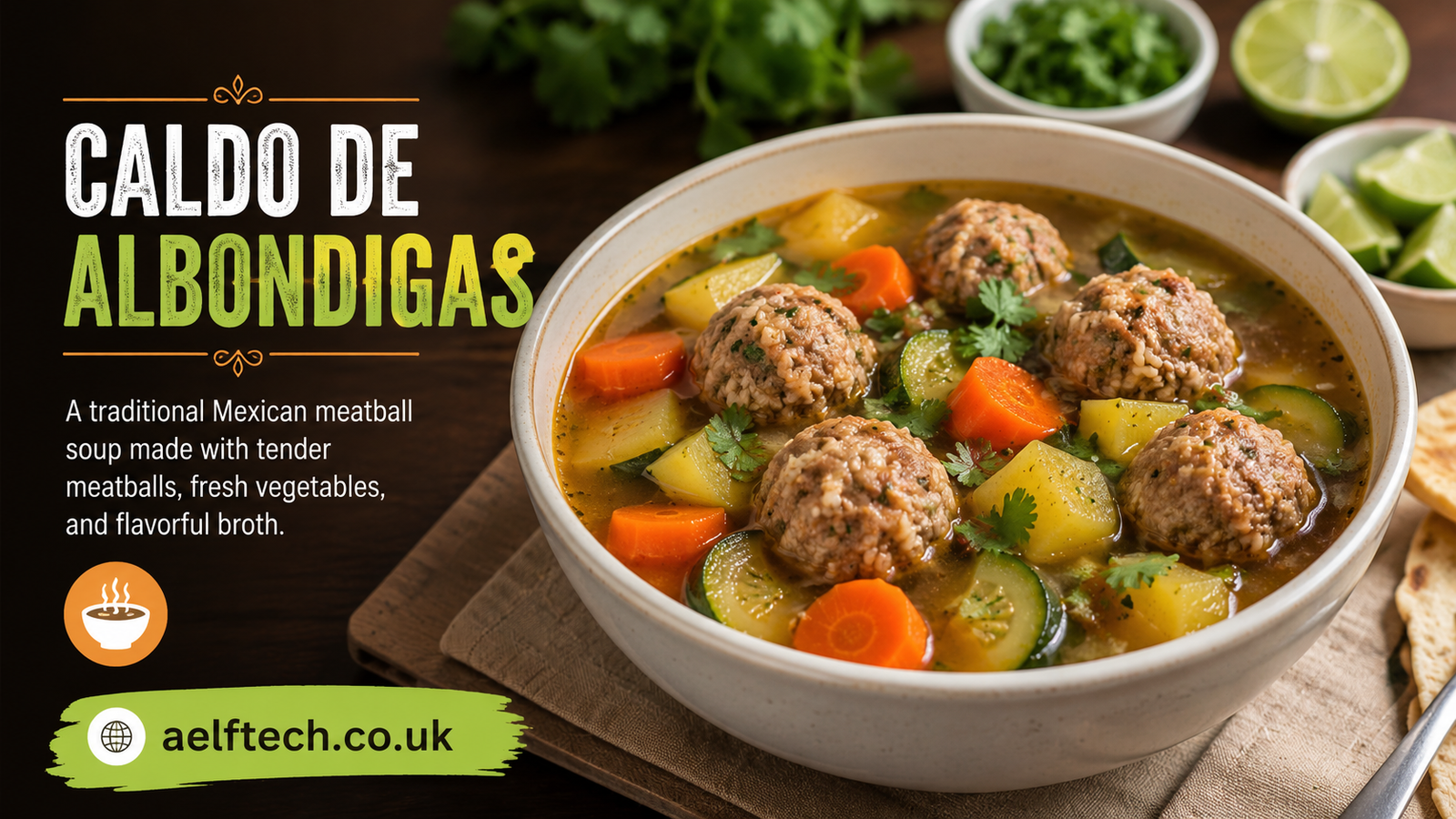
Caldo de albondigas is a traditional Mexican soup made with meatballs cooked in a savory broth alongside vegetables. The dish is known for its comforting qualities and is commonly prepared in households throughout Mexico and Mexican-American communities.
The word “caldo” means broth or soup, while “albondigas” refers to meatballs. Together, they describe a nourishing soup that combines both elements into a filling meal. Unlike many meatball soups found in other cuisines, Mexican albondigas often include rice inside the meatballs, adding texture and helping create a satisfying dish.
The Origins of Mexican Meatball Soup
The roots of albondigas can be traced back centuries, with influences from Spanish and Middle Eastern cooking traditions. Over time, Mexican cooks adapted the recipe using local ingredients and cooking techniques, creating the version that is popular today.
Different regions of Mexico have their own variations. Some recipes use beef, while others include pork or a combination of meats. The vegetables and seasonings may also vary depending on local preferences and family traditions.
Why It Is Called Caldo de Albondigas
The name directly reflects the structure of the dish. The rich broth forms the base, while the meatballs are the centerpiece of the soup.
This straightforward naming convention is common in Mexican cuisine, where dishes are often named after their primary ingredients or cooking method. As a result, the name immediately tells diners what to expect.
Why You’ll Love This Caldo de Albondigas Recipe
One reason this soup remains popular is its ability to provide comfort without requiring complicated ingredients. Most of the components are pantry and refrigerator staples, making it an accessible recipe for many home cooks.
Another advantage is its versatility. You can customize the vegetables, adjust the seasonings, or substitute different meats based on personal preference. Despite these changes, the soup still retains its authentic character and satisfying flavor.
The dish is also ideal for family meals because it is filling, nutritious, and easy to serve. A large pot can feed several people while creating leftovers for future meals.
Ingredients Needed for Caldo de Albondigas
The success of a great caldo de albondigas begins with quality ingredients. Fresh vegetables, flavorful broth, and well-seasoned meatballs all contribute to the final result.
While recipes vary, most traditional versions share a common set of ingredients that create the soup’s signature taste and texture.
Ingredients for the Meatballs
Ground beef is the most common choice for authentic caldo de albondigas. It provides a rich flavor that complements the broth. Rice is typically mixed into the meatballs, helping them stay tender while adding substance.
Eggs are often used as a binder, while herbs such as cilantro and spices like garlic powder, onion powder, and black pepper enhance the flavor. Some cooks also add fresh mint for a distinctive traditional touch.
Ingredients for the Broth
The broth usually begins with tomatoes, onions, and garlic. These ingredients are blended or cooked together to create a flavorful base.
Chicken broth or beef broth provides depth and richness. Additional seasonings such as cumin, oregano, and salt help build layers of flavor throughout the soup.
Vegetables Commonly Used
Fresh vegetables are an essential part of this recipe. Carrots, potatoes, zucchini, and celery are among the most popular choices.
These vegetables absorb the flavors of the broth while adding nutrition and texture. Some variations also include corn, green beans, or squash depending on regional traditions and seasonal availability.
How to Make Caldo de Albondigas Step by Step
Preparing homemade caldo de albondigas is easier than many people expect. The process involves making the meatballs, preparing the broth, and allowing everything to simmer together until tender.
The result is a rich, flavorful soup that tastes as though it has been cooking all day.
Prepare the Meatball Mixture
Begin by combining ground beef, uncooked rice, egg, and seasonings in a large bowl. Mix gently until the ingredients are evenly distributed.
Avoid overworking the mixture, as this can result in dense meatballs. The goal is to maintain a tender texture that remains light after cooking.
Shape the Albondigas
Form the mixture into evenly sized meatballs. Consistent sizing helps ensure they cook at the same rate.
Many cooks prefer medium-sized meatballs because they are easy to serve and maintain their shape during simmering.
Make the Flavorful Tomato Broth
Cook onions and garlic until fragrant before adding tomatoes. Allow the ingredients to soften and blend together.
Add broth and seasonings, then bring the mixture to a gentle simmer. This forms the flavorful foundation of the soup.
Add Vegetables
Add vegetables that require longer cooking times first, such as carrots and potatoes. This allows them to become tender without overcooking.
Vegetables like zucchini can be added later since they cook more quickly.
Cook the Meatballs in the Soup
Carefully place the meatballs into the simmering broth. Avoid stirring too aggressively during the initial cooking period.
As the meatballs cook, they release flavor into the broth, enriching the entire soup and creating its signature taste.
Final Seasoning and Serving
Taste the soup and adjust the seasonings as needed. Fresh herbs, lime juice, or additional spices can be added before serving.
Serve hot with warm tortillas, fresh cilantro, and lime wedges for an authentic experience.
Tips for Making the Best Caldo de Albondigas
Small details can make a noticeable difference in the final dish. Using fresh ingredients is one of the easiest ways to improve flavor and texture.
Selecting meat with moderate fat content helps create juicy meatballs while avoiding excessive grease in the broth.
It is also important to allow the soup to simmer gently rather than boil vigorously. A slow simmer helps maintain the integrity of the meatballs and allows flavors to develop fully.
Fresh herbs added near the end of cooking provide brightness that balances the richness of the broth.
Common Mistakes to Avoid
One common mistake is overmixing the meatball ingredients. Excessive mixing can make the meatballs tough and dense.
Using too much rice may also affect the texture, causing the meatballs to become loose or overly soft during cooking.
Another issue is overcooking the vegetables. Vegetables should remain tender while still maintaining their shape and texture.
Under-seasoning is another frequent problem. Because the broth carries much of the dish’s flavor, proper seasoning is essential for a satisfying result.
Variations of Caldo de Albondigas
Although traditional recipes remain popular, there are many ways to adapt this soup while preserving its comforting nature.
Regional and family variations often reflect local ingredients and personal preferences.
Traditional Mexican Version
The classic version typically includes beef meatballs, rice, tomatoes, carrots, potatoes, and zucchini.
This variation remains the benchmark against which other versions are compared.
Beef Albondigas Soup
Using all beef creates a rich and hearty flavor profile. This version is particularly popular for family dinners and cold-weather meals.
The stronger beef flavor pairs exceptionally well with tomato-based broth.
Pork Albondigas Soup
Ground pork offers a slightly sweeter flavor and a softer texture. Many cooks combine pork and beef for a balanced result.
This variation introduces additional richness without overwhelming the soup.
Chicken Albondigas Soup
Chicken meatballs provide a lighter alternative while maintaining the traditional character of the dish.
The result is a soup that feels comforting yet less heavy than beef-based versions.
Low-Carb Adaptations
Some modern recipes replace rice with cauliflower rice or other alternatives.
These modifications help reduce carbohydrates while preserving much of the original flavor and texture.
What to Serve with Caldo de Albondigas
Fresh tortillas are one of the most common accompaniments. They can be used to scoop vegetables or soak up the flavorful broth.
Mexican rice also pairs well with the soup, creating an even heartier meal for larger appetites.
Fresh salsa, sliced avocado, and lime wedges add color and freshness. These simple additions enhance both presentation and flavor.
A light salad can also complement the richness of the soup while providing additional texture and nutrition.
How to Store and Reheat Leftovers
Caldo de albondigas stores well, making it an excellent option for meal preparation. Once cooled, transfer the soup to airtight containers and refrigerate.
Properly stored soup generally remains fresh for several days. The flavors often become even more developed after resting overnight.
For longer storage, freezing is an excellent option. Allow the soup to cool completely before placing it in freezer-safe containers.
When reheating, warm the soup slowly over medium heat. Gentle reheating helps maintain the texture of both the vegetables and meatballs.
Nutritional Benefits of Caldo de Albondigas
This traditional Mexican soup offers a balanced combination of protein, vegetables, and carbohydrates. The meatballs provide essential protein, while the vegetables contribute vitamins, minerals, and fiber.
Because the recipe includes a variety of fresh ingredients, it can be a nutritious choice for lunch or dinner.
The broth also helps provide hydration and can be particularly comforting during colder months. Depending on ingredient choices, the soup can be adapted to suit a range of dietary preferences.
Frequently Asked Questions
What is caldo de albondigas made of?
It is typically made with meatballs, rice, tomatoes, broth, carrots, potatoes, zucchini, and various seasonings.
Can I make caldo de albondigas ahead of time?
Yes. In fact, many people find the flavor improves after the soup rests overnight in the refrigerator.
Why do the meatballs contain rice?
Rice helps create a tender texture while adding substance and helping the meatballs hold moisture.
Can I freeze albondigas soup?
Yes. The soup freezes well when stored in airtight containers and can be reheated when needed.
What vegetables are traditionally used?
Carrots, potatoes, zucchini, and celery are among the most common vegetables used in authentic recipes.
Conclusion
Caldo de albondigas is more than just a soup—it is a cherished comfort food that brings together flavorful meatballs, nourishing vegetables, and a rich broth in one satisfying dish. Its combination of simple ingredients and traditional cooking techniques has made it a favorite in Mexican kitchens for generations.
Whether you are preparing it for a family dinner, a cozy weekend meal, or meal prep for the week ahead, this authentic Mexican meatball soup delivers warmth, nutrition, and exceptional flavor. Once you experience a homemade bowl of caldo de albondigas, it is easy to understand why this timeless recipe continues to be loved around the world.