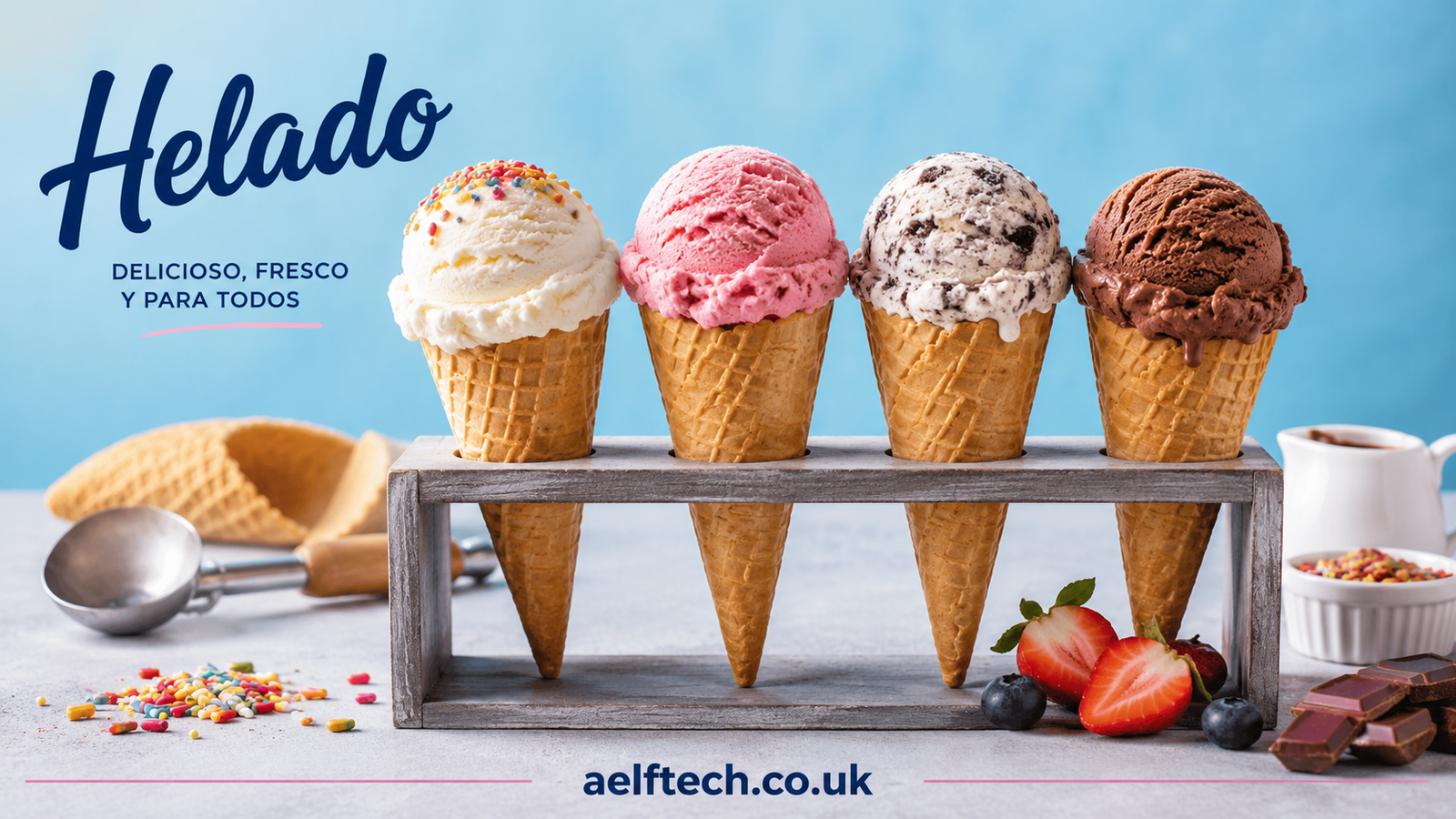
Helado: Complete Guide to Traditional Spanish Ice Cream Flavors and Recipes
Few desserts are as universally loved as ice cream. Across Spanish-speaking countries, however, this frozen treat is commonly known as helado. Rich, creamy, refreshing, and available in countless flavors, helado has become an important part of culinary culture throughout Spain and Latin America.
Whether enjoyed on a hot summer afternoon or served as a special dessert after dinner, helado offers a delightful combination of flavor and tradition. From classic vanilla and chocolate varieties to unique regional creations, this frozen dessert continues to win the hearts of people around the world. In this guide, you’ll discover the history of helado, how it differs from other frozen desserts, its most popular flavors, and how you can make it at home.
What Is Helado?
Definition and Meaning
The word helado simply means “ice cream” in Spanish. It refers to a frozen dessert made from milk, cream, sugar, and flavorings. While the term may sound exotic to English speakers, it is the everyday word used throughout much of the Spanish-speaking world.
Helado is often associated with artisanal preparation and traditional recipes. Many local ice cream shops take pride in creating fresh batches using natural ingredients and regional flavors. This emphasis on quality ingredients helps distinguish authentic helado from many mass-produced frozen desserts.
The History of Helado
The origins of helado can be traced back centuries. Frozen desserts existed long before modern refrigeration, with ancient civilizations using snow and ice combined with fruit juices and sweeteners.
Spain played an important role in developing and spreading frozen dessert traditions. Through cultural exchanges with Arab civilizations and later influences from Europe, techniques for creating frozen treats evolved significantly. As Spanish culture expanded into Latin America, helado became a beloved dessert throughout the region, adapting to local ingredients and tastes.
How Helado Differs From Other Frozen Desserts
Helado vs Ice Cream
Although helad translates directly to ice cream, some traditional versions differ from standard American ice cream. Many artisanal helads use fresh ingredients and contain less air, resulting in a denser texture.
Traditional helad recipes may also emphasize natural flavors rather than artificial additives. This creates a richer and more authentic taste experience that many dessert lovers appreciate.
Helado vs Gelato
Helad is often compared to gelato because both are dense and flavorful frozen desserts. However, gelato generally contains less fat and is churned differently, creating a smoother texture.
Helad can vary significantly depending on the country and recipe. Some versions resemble gelato, while others are closer to classic ice cream. The main distinction lies in preparation methods and regional traditions.
Helado vs Sorbet
Sorbet differs from helad because it is usually made without dairy products. Instead, sorbet relies on fruit puree, water, and sugar to create its refreshing texture.
Helad, on the other hand, typically includes milk or cream. This dairy content contributes to its creamy consistency and richer flavor profile, making it distinct from fruit-based frozen desserts.
Traditional Helado Ingredients
Dairy Components
The foundation of most helado recipes is dairy. Milk and cream provide the smooth texture and rich taste that people expect from high-quality frozen desserts.
Some recipes also incorporate condensed milk or evaporated milk. These ingredients enhance sweetness and contribute to a creamier final product.
Natural Flavorings
Traditional helad often relies on natural ingredients to achieve its flavor. Vanilla beans, cocoa, cinnamon, coffee, and nuts are commonly used in artisanal preparations.
Natural flavorings provide depth and authenticity that artificial ingredients often struggle to match. Many premium helad makers continue to prioritize fresh ingredients to preserve traditional flavors.
Fresh Fruits Used in Helado
Fruit-based helado is especially popular in warmer climates. Mango, strawberry, coconut, banana, and passion fruit are among the most common options.
Fresh fruit adds vibrant color and natural sweetness. It also creates refreshing alternatives for those seeking lighter dessert options without sacrificing flavor.
Most Popular Helado Flavors
Classic Flavors
Vanilla remains one of the most beloved helad flavors worldwide. Its simplicity allows the quality of ingredients to shine through while serving as a versatile base for toppings and desserts.
Chocolate is another timeless favorite. Rich cocoa creates a satisfying flavor that appeals to both children and adults. Strawberry rounds out the traditional trio with its sweet and refreshing taste.
Regional Favorites
Different countries have developed their own signature helad flavors. Dulce de leche is particularly popular in Argentina and is known for its caramel-like richness.
Coffee-flavored helad is widely enjoyed in regions with strong coffee traditions. Coconut varieties are also common in tropical areas where fresh coconuts are readily available.
Seasonal and Specialty Flavors
Modern heladerías frequently introduce seasonal flavors to showcase fresh ingredients. These may include berries, citrus fruits, pumpkins, or local specialties.
Specialty combinations such as chocolate-orange, pistachio-honey, or caramel-sea salt continue to attract adventurous dessert lovers looking for unique taste experiences.
Traditional Methods of Making Helado
Homemade Preparation Techniques
Making helado at home can be both enjoyable and rewarding. The process typically begins by preparing a custard or dairy base, which is then cooled before freezing.
Many home cooks use ice cream makers to achieve a smooth texture. However, delicious results can also be achieved by periodically stirring the mixture during freezing to reduce ice crystal formation.
Modern Commercial Production
Commercial production uses specialized equipment designed to create consistent quality on a larger scale. These machines carefully control temperature, mixing, and freezing processes.
Despite technological advances, many premium producers continue to follow traditional principles. They focus on fresh ingredients and small-batch production methods to preserve authentic flavor and texture.
Authentic Helado Recipes
Classic Vanilla Helado
Vanilla helad remains one of the easiest and most popular recipes to prepare. A combination of milk, cream, sugar, and vanilla creates a timeless dessert suitable for any occasion.
The key to exceptional vanilla helad lies in using high-quality vanilla extract or real vanilla beans. This simple ingredient can dramatically improve the final flavor.
Chocolate Helado
Chocolate helad offers a richer alternative for cocoa lovers. Dark chocolate and quality cocoa powder create a deep flavor profile that satisfies even the most dedicated chocolate enthusiasts.
Some recipes include small chocolate pieces or chocolate syrup to add texture and enhance the overall experience.
Fruit-Based Helado
Fruit helad highlights the natural sweetness of fresh produce. Popular choices include mango, strawberry, peach, and tropical fruits.
These recipes often require fewer ingredients while delivering vibrant flavors and refreshing textures. They are particularly popular during warm weather.
Dairy-Free Helado Alternative
People who avoid dairy can still enjoy helad. Coconut milk, almond milk, and oat milk serve as excellent substitutes for traditional dairy products.
Dairy-free versions continue to grow in popularity as more consumers seek plant-based dessert options without compromising taste or texture.
Nutritional Value of Helado
Calories and Macronutrients
The nutritional profile of helad depends largely on its ingredients. Traditional recipes typically contain carbohydrates, fats, and small amounts of protein from dairy products.
Portion size plays an important role in overall calorie intake. Enjoying helad in moderation allows it to fit comfortably within a balanced diet.
Health Benefits
While helad is generally considered a treat, it can provide certain nutrients. Dairy-based varieties may contain calcium, vitamin D, and protein.
Fruit-based helad may also offer vitamins and antioxidants derived from natural ingredients. However, nutritional benefits vary significantly between recipes.
Dietary Considerations
Many commercial products contain added sugars, making moderation important. Consumers should review ingredient lists when selecting products that align with their dietary goals.
Fortunately, modern options include low-sugar, lactose-free, and dairy-free varieties, making helado accessible to a wider range of people.
Helado Around the World
Helado in Spain
Spain has a rich ice cream tradition influenced by Mediterranean ingredients and centuries of culinary innovation. Popular flavors often feature almonds, citrus fruits, and local dairy products.
Spanish heladerías are particularly active during summer months when residents and tourists seek refreshing desserts to escape the heat.
Helado in Mexico
Mexican helad often incorporates local fruits, spices, and traditional ingredients. Mango, tamarind, cinnamon, and chocolate are especially popular choices.
Many regions also offer paletas, which are frozen treats closely related to helad and known for their intense fruit flavors.
Helado in Argentina
Argentina is famous for its helad culture. Italian immigration significantly influenced local ice cream traditions, resulting in exceptionally creamy and flavorful varieties.
Dulce de leche remains one of the country’s most iconic helad flavors and is widely considered a national favorite.
Helado in Peru and Other Countries
Peru is known for unique frozen desserts that reflect local culinary traditions. Fresh fruits and regional ingredients often play a central role.
Across Latin America, helad continues to evolve while maintaining its cultural significance as a beloved dessert enjoyed by families and communities.
Tips for Choosing the Best Helado
What to Look for in Quality Helado
High-quality helado typically features natural ingredients and a smooth texture. Fresh dairy products and real flavorings often indicate superior craftsmanship.
The ingredient list can reveal a great deal about quality. Simpler recipes with recognizable ingredients are often a positive sign.
Reading Ingredient Labels
Consumers should pay attention to ingredient lists when purchasing packaged products. Natural ingredients generally provide a more authentic flavor experience.
Avoiding excessive artificial additives may help improve both taste and overall quality.
Identifying Authentic Flavors
Authentic helad flavors tend to taste balanced and natural rather than overly sweet. Fresh ingredients create a more enjoyable and memorable dessert experience.
Trying products from local artisanal makers can be an excellent way to discover genuine flavors and traditional recipes.
How to Store Helado Properly
Freezer Storage Guidelines
Proper storage helps preserve flavor and texture. Helad should be kept in an airtight container at a consistent freezing temperature.
Temperature fluctuations can cause ice crystals to form, negatively affecting quality.
Maintaining Texture and Flavor
Allowing helad to soften slightly before serving can improve texture and flavor perception. This simple step helps unlock the dessert’s full character.
Avoid repeatedly thawing and refreezing helado, as this can diminish its quality over time.
Fun Facts About Helado
Helad has become an important cultural symbol in many countries. Families often gather at local ice cream shops to enjoy favorite flavors together.
The variety of available flavors continues to expand each year. From traditional vanilla to innovative gourmet combinations, helad remains one of the world’s most versatile desserts.
Conclusion
Helado is much more than a frozen dessert. It represents centuries of culinary tradition, cultural exchange, and creativity. From Spain to Latin America and beyond, people continue to enjoy its rich flavors and refreshing qualities.
Whether you prefer classic vanilla, indulgent chocolate, fruity creations, or dairy-free alternatives, there is a helad for every taste. By understanding its history, ingredients, and preparation methods, you can better appreciate why this beloved dessert remains a favorite around the world.
Frequently Asked Questions
What does helado mean in Spanish?
Helado is the Spanish word for ice cream and refers to a frozen dessert made from dairy, sugar, and flavorings.
Is helado the same as gelato?
Not exactly. While they share similarities, gelato typically contains less fat and has a different texture due to its preparation method.
What are the most popular helado flavors?
Vanilla, chocolate, strawberry, dulce de leche, coconut, and coffee are among the most popular choices.
Can I make helado without an ice cream maker?
Yes. You can freeze the mixture and stir it periodically to reduce ice crystals and improve texture.
Is dairy-free helado available?
Yes. Many recipes use coconut milk, almond milk, or oat milk to create delicious dairy-free alternatives.